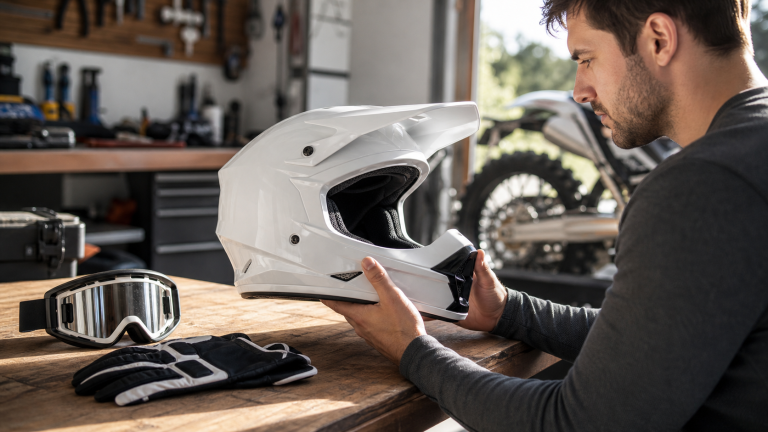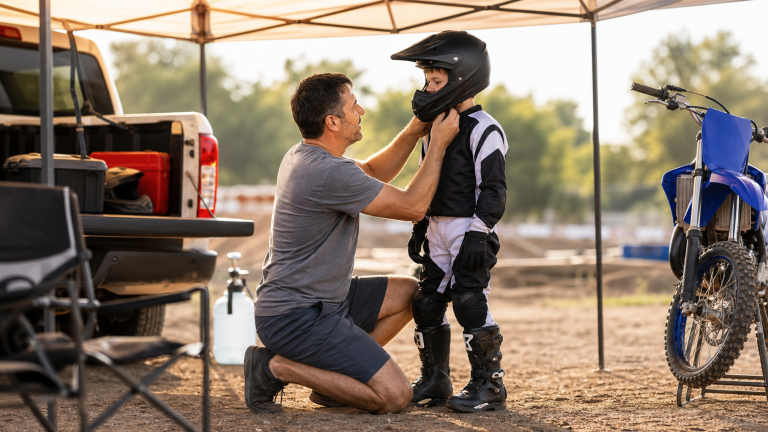

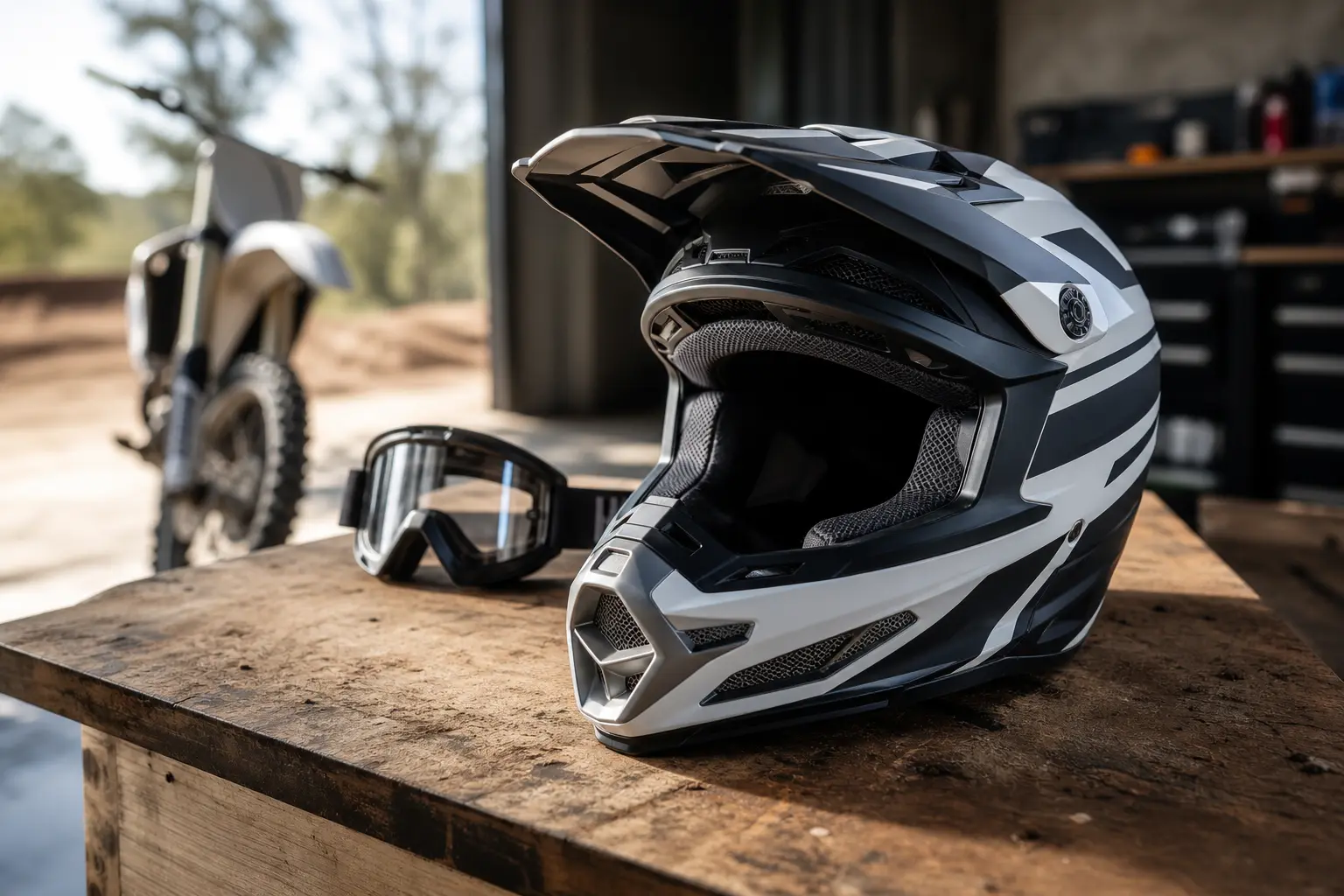
A motocross helmet is the most important piece of protection a rider wears. The right helmet should feel secure, ventilate well, work cleanly with goggles and give you confidence without distracting you on the bike. This guide walks through what to check before buying a motocross helmet for safety and comfort.
Start With Helmet Fit #
A helmet should feel snug all around your head without sharp pressure points. If it slides when you shake your head, it is too loose. If it creates pain after a few minutes, the shell shape or size may be wrong. Always check the size chart and measure around the widest part of your head before choosing.
Check Safety Certification and Shell Quality #
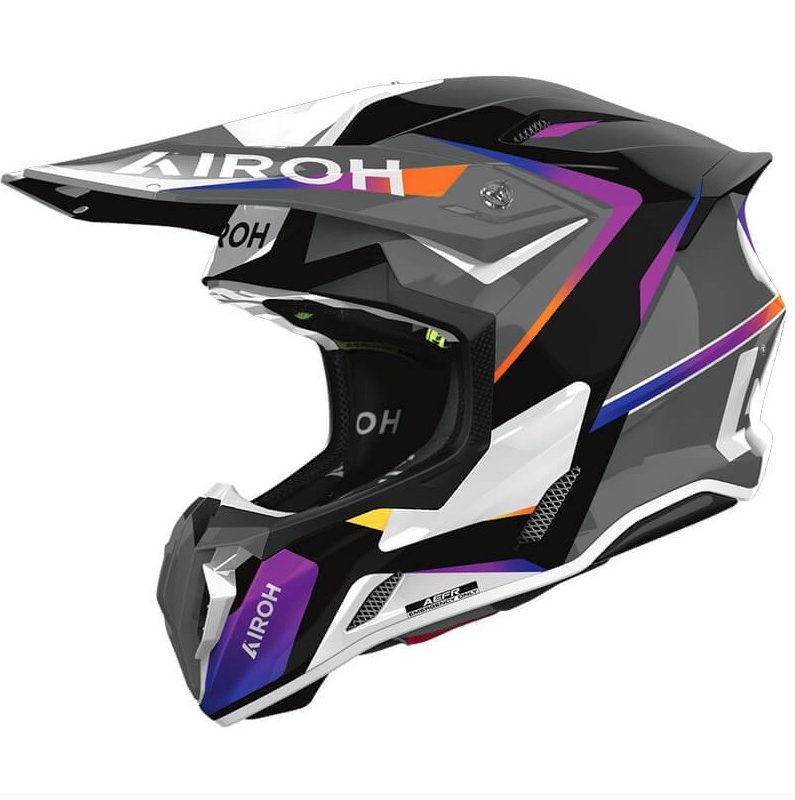
For motocross and enduro riding, look for a helmet designed for off-road use with a strong shell, secure retention system and current safety approval. A good helmet should protect against impact while staying light enough for longer rides.
Browse our full range of motocross helmets.
Make Sure Your Goggles Fit the Helmet #
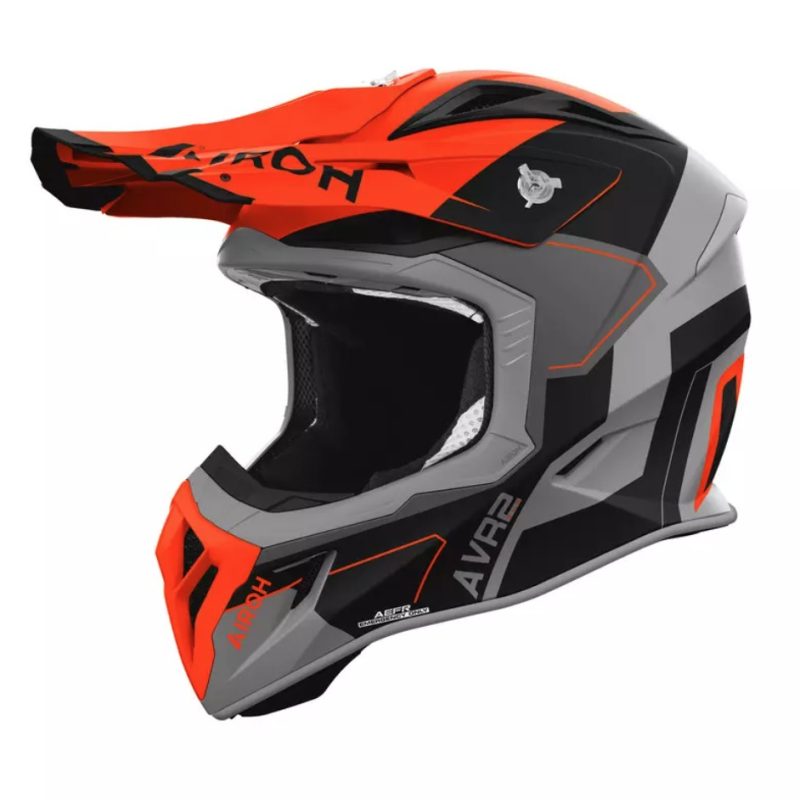
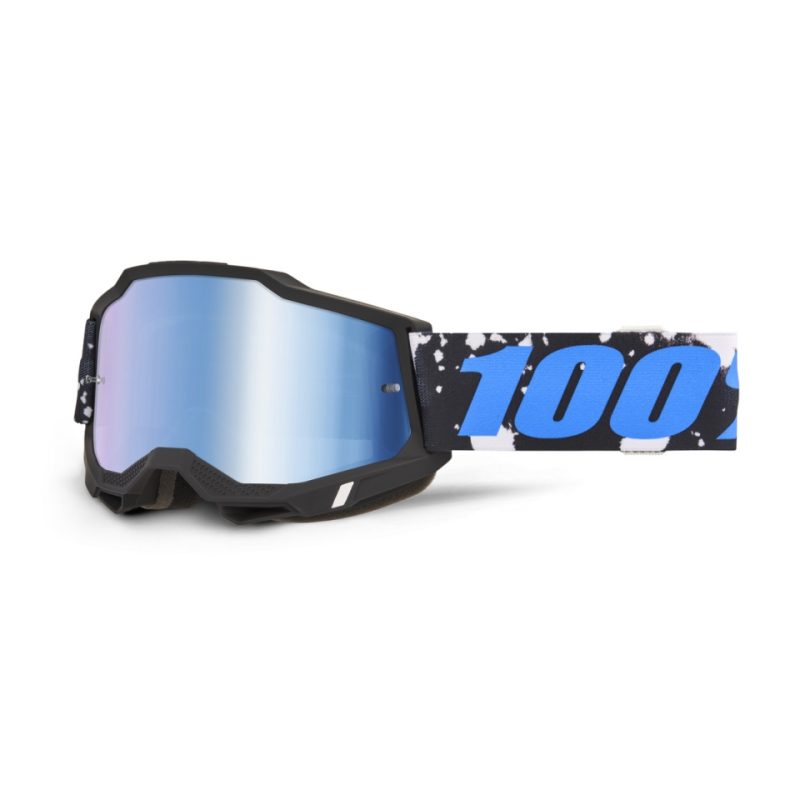
The eye port should leave enough room for your goggles to sit correctly without pinching your nose or creating gaps. A stable goggle fit improves visibility, reduces dust entry and makes the helmet more comfortable during longer rides.
You can pair your helmet with motocross goggles for a complete setup.
Look for Ventilation and Comfort Details #
Motocross riding is physical, so airflow matters. Good ventilation helps reduce heat and moisture inside the helmet. Removable and washable liners are also useful because they keep the helmet fresher after dusty or muddy rides.
When Should You Replace a Motocross Helmet? #
Replace your helmet after a serious crash or if the shell, liner, strap or buckle shows damage. Even if damage is not obvious, impact protection can be compromised after a hard hit. A helmet is not the place to take chances.
Final Helmet Buying Checklist #
- Correct head measurement and snug fit
- Off-road helmet design with secure retention
- Comfortable liner and good ventilation
- Compatible fit with your goggles
- No crash damage or worn-out parts
Choosing the right motocross helmet is about more than style. Prioritize fit, protection, airflow and goggle compatibility, then choose the design that suits your riding.
Motocross Helmet Fit Checks at Home #
A motocross helmet should pass a few simple checks before it ever reaches the track. Fasten the chin strap, hold the chin bar and gently move the helmet side to side. Your skin should move with the liner, but the helmet should not slide around independently. If it lifts easily or rotates too far, try a smaller size or a different shell shape.
Comfort matters because a distracting motocross helmet can pull attention away from braking points, ruts and other riders. Wear the helmet for several minutes indoors before riding. Pressure that feels minor at first can turn into a headache once the ride gets hot and physical.
For racing-oriented context, the 2026 AMA Racing Rulebook outlines protective equipment expectations, including proper helmet fit, condition and fastening for competition environments.
- Check that goggles seal without pushing the helmet upward.
- Confirm the peak is secure and does not block vision.
- Replace cheek pads or liners when they become packed out.
One more motocross helmet detail beginners often miss is replacement fit over time. Liners compress, cheek pads loosen and straps can stretch with sweat and cleaning. If the helmet used to feel secure but now moves easily, refresh the liner parts if available or replace the helmet before riding hard again.
Finally, keep the motocross helmet stored away from fuel, solvents and direct heat so the liner and shell materials stay in better condition between rides.