
Filters
From€234,99
-10%€261,99
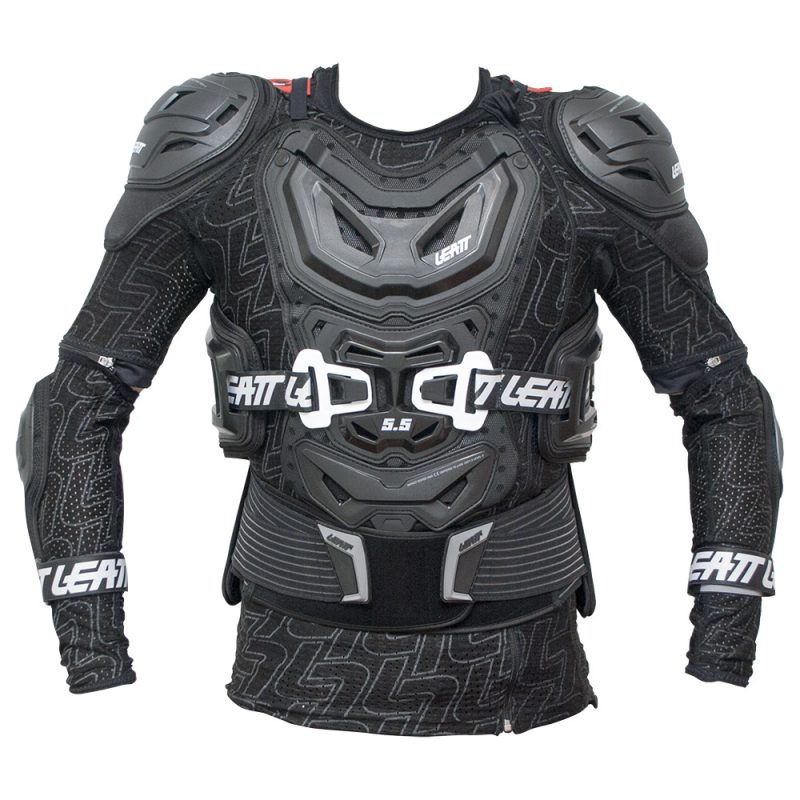
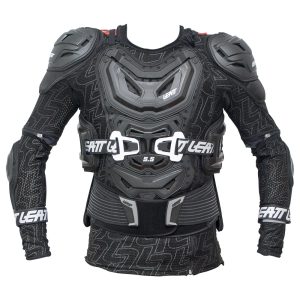
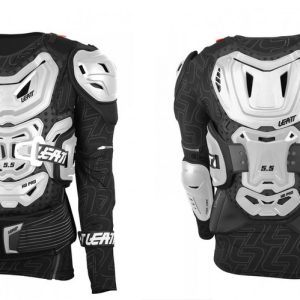
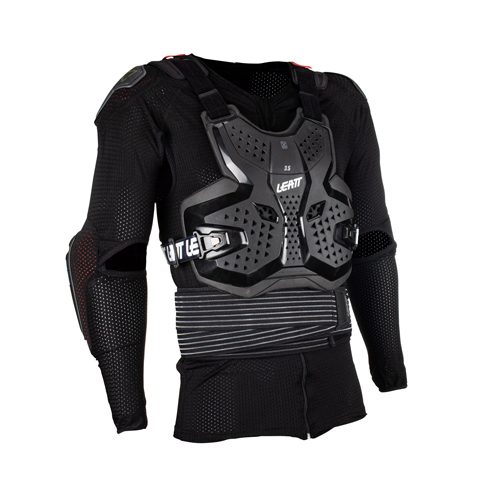
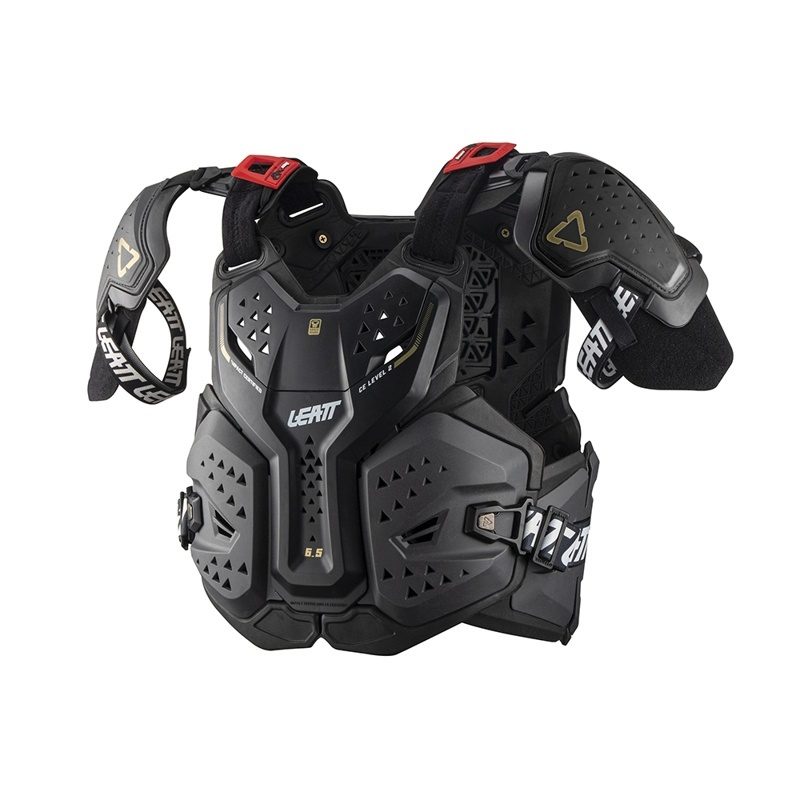
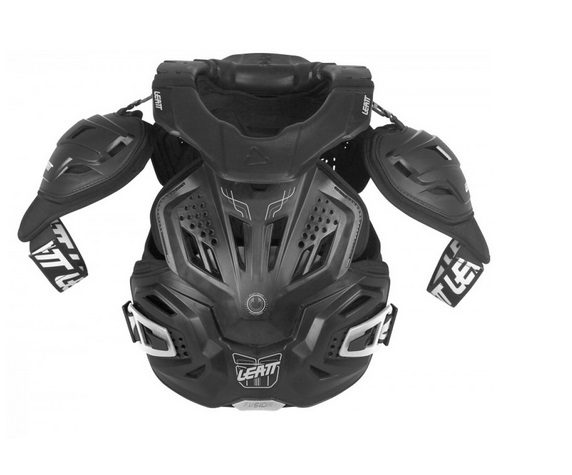
Leatt Chest Protector BODY Protector 5.5 BODY Armor

Leatt 5.5 Body Protector provides protection for the chest, back, elbows, shoulders and sides. Lined with 3DF AirFit foam. Features: - Hard-shell outer material and soft, ventilated 3DF...
0 Reviews2 colors available
From€301,99
-15%€355,99
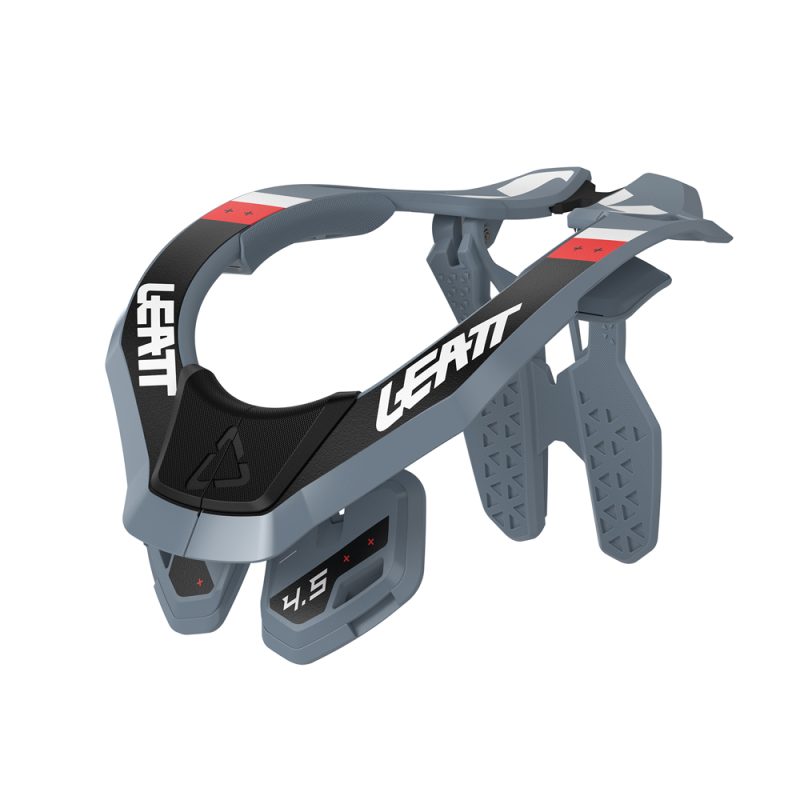
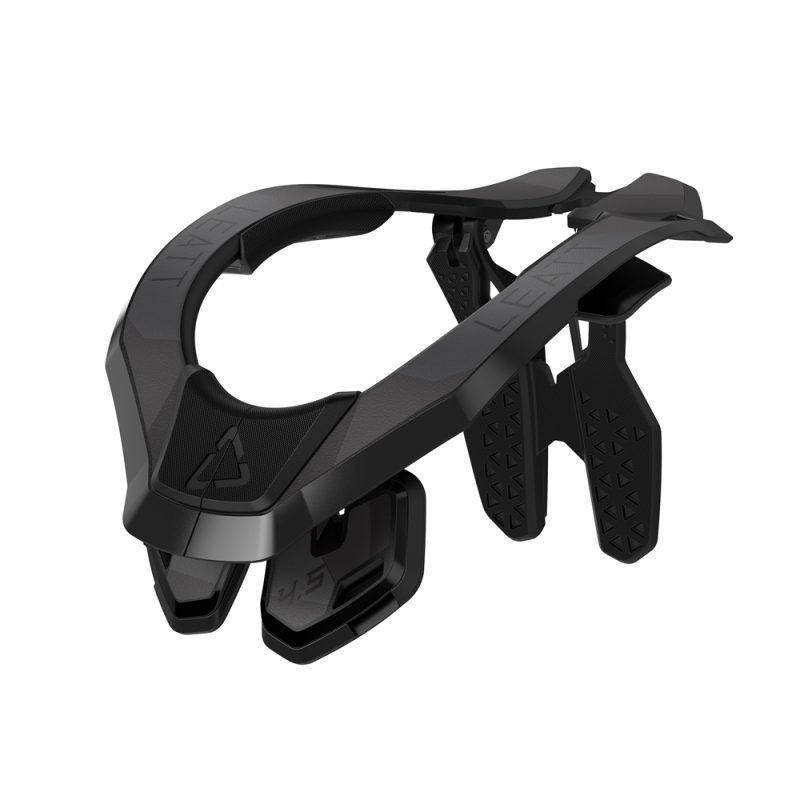
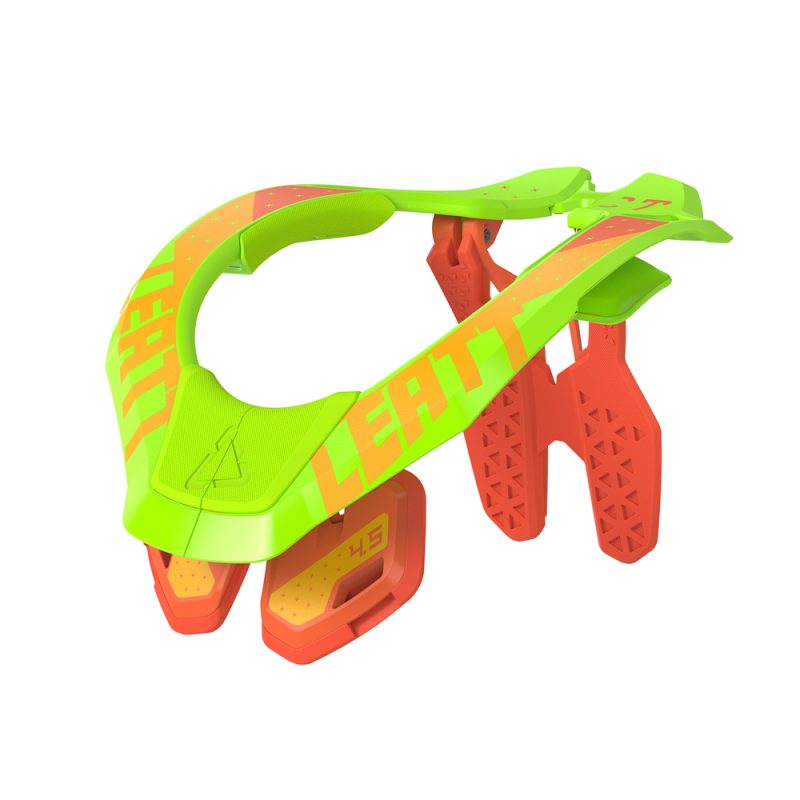
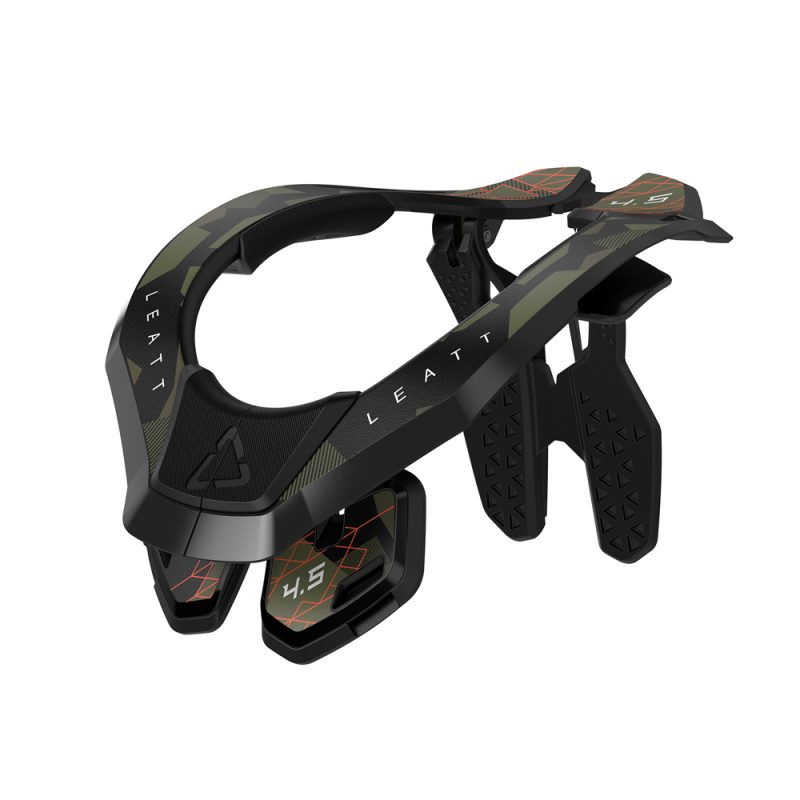
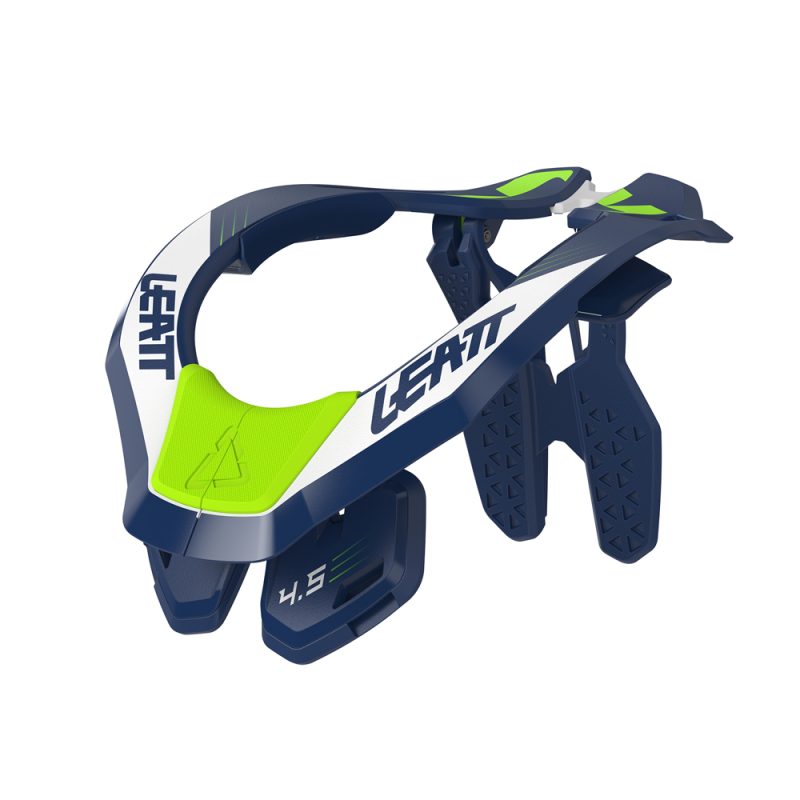
Leatt 4.5 Neck Brace
Neck Brace 4.5 is a new arrival for the 2023 season! This protector sits between the 3.5 and 5.5 models in terms of both fit adjustability and price....
0 Reviews2 colors available
From€13,99
-18%€16,99
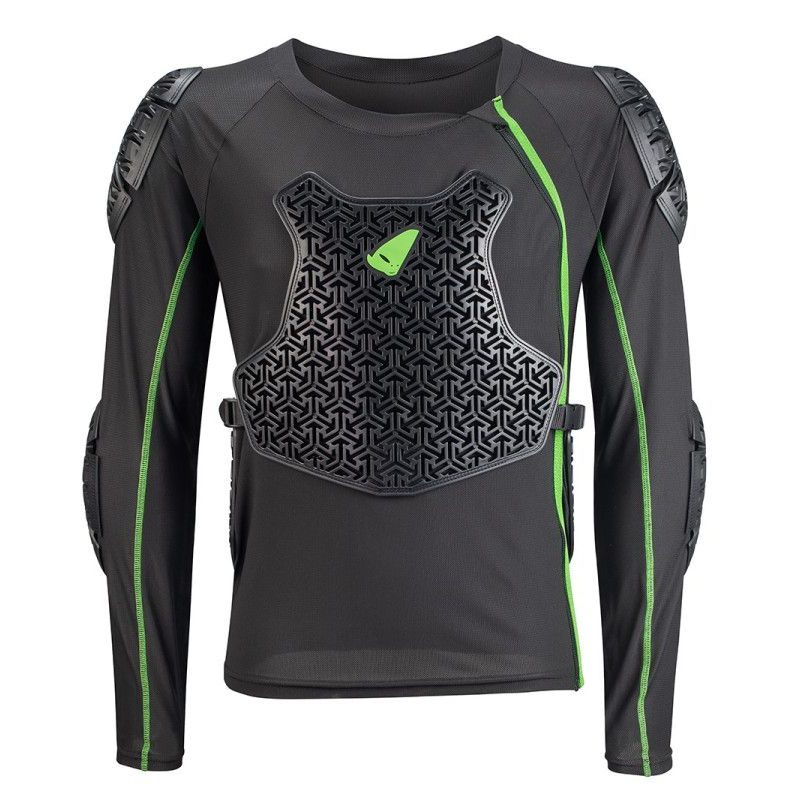
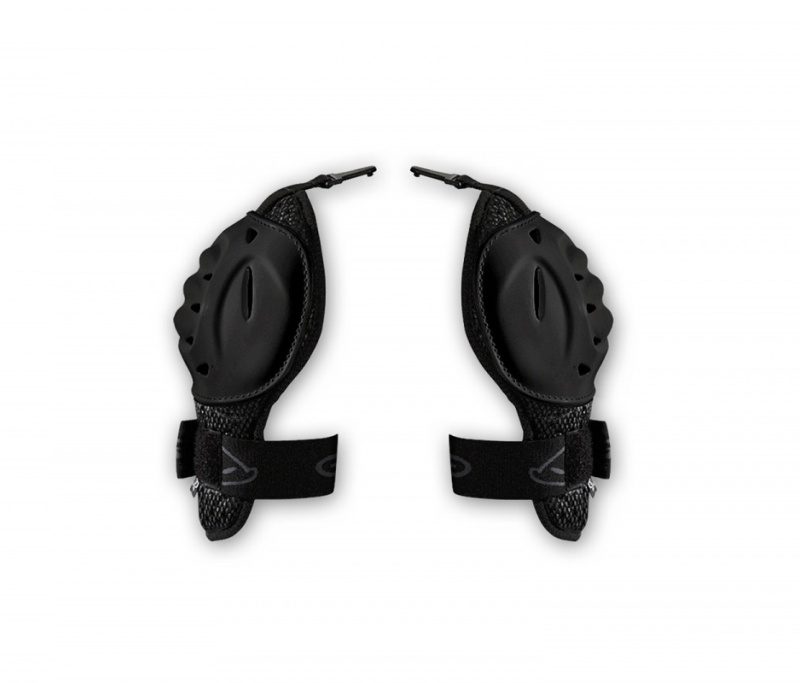
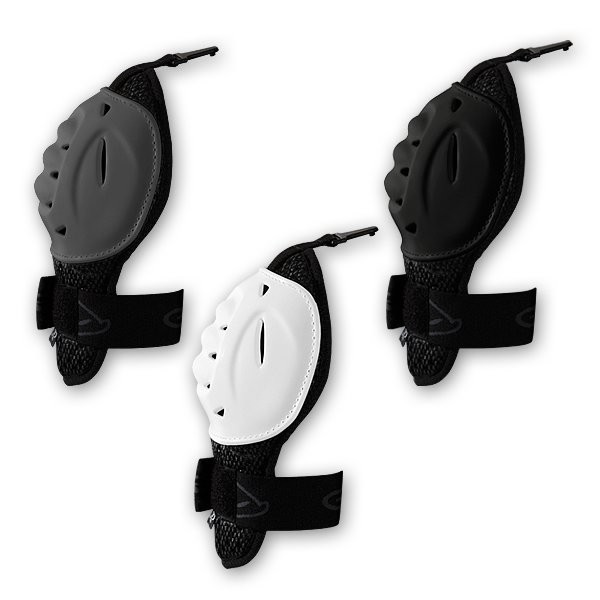
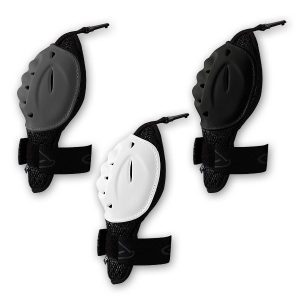
UFO covers Barkow Dopinana DO chest protector parts
Fits the following models: PT02275, PT02282, PT02283, PT02234, PT02235.
0 Reviews2 colors available

Frequently asked questions about Body Armors
Do I wear body armour over or under my jersey?
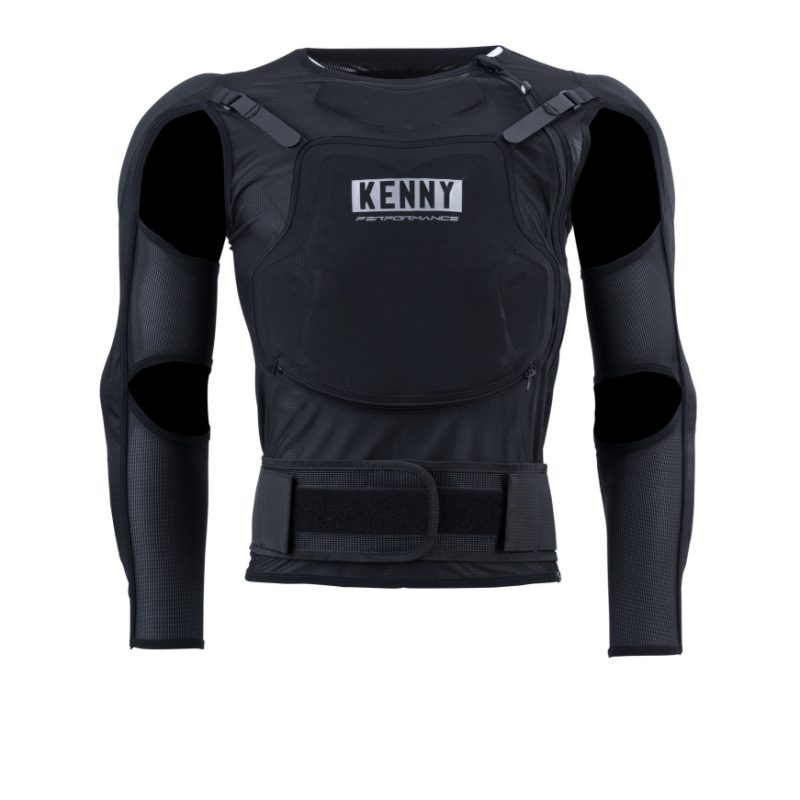
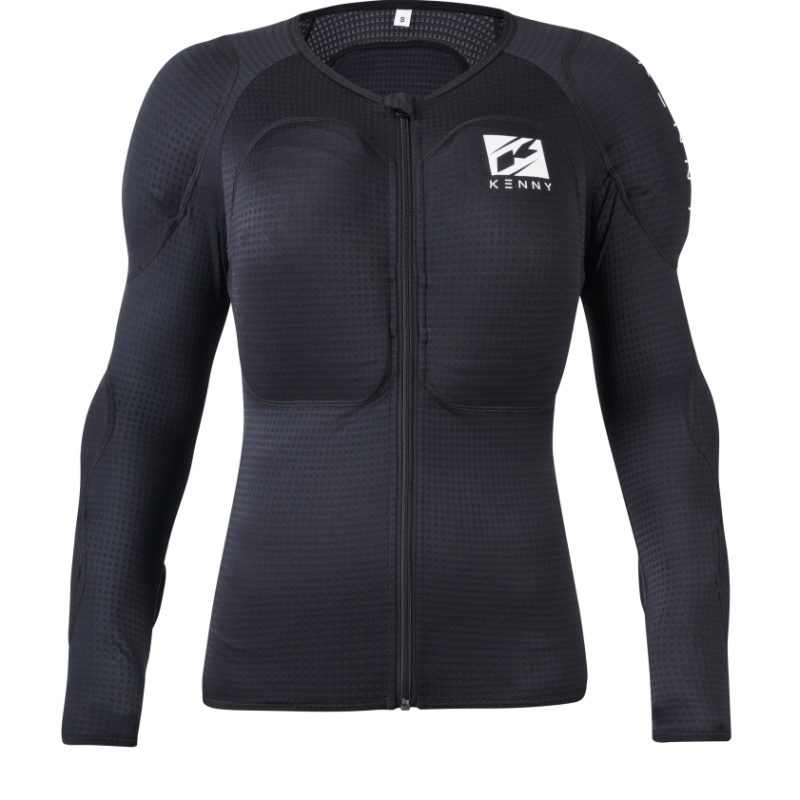
Either works — it is a preference. Over the jersey is faster to put on, shows the armour graphics, and lets it breathe more. Under the jersey looks cleaner, keeps mud off the armour, and is what most pro MX riders do. If you wear it under, size your jersey up by one to accommodate the bulk.
What CE rating do I need on body armour?
CE EN 1621-3 for chest protectors and CE EN 1621-2 for back protectors are the relevant standards. Level 1 is the minimum for serious riding; Level 2 absorbs about twice as much energy. For racing or any riding that involves jumps and pack starts, prefer Level 2.
Are roost guards enough, or do I need full body armour?
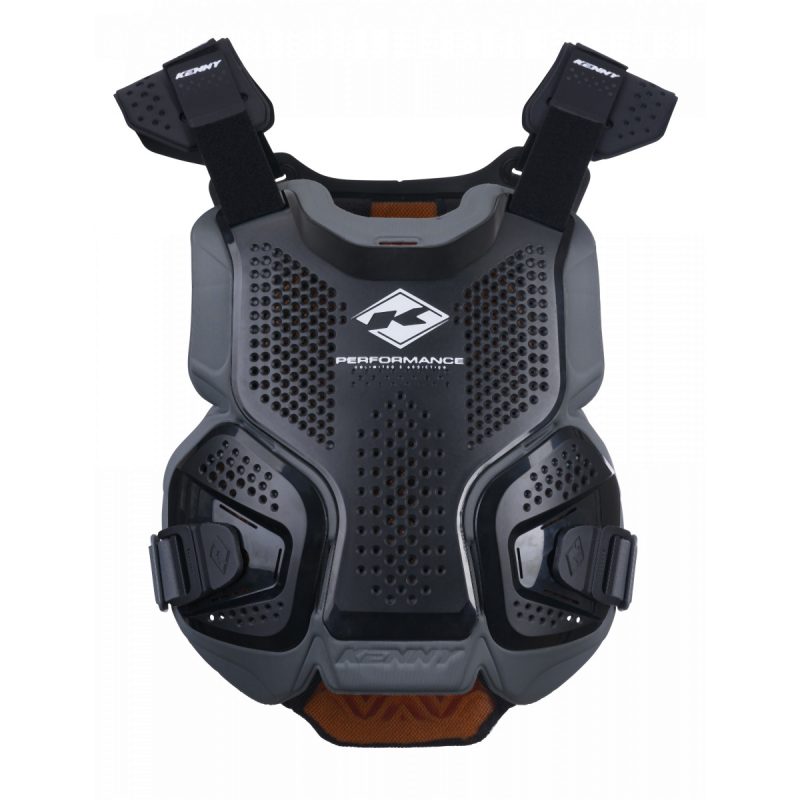
Roost guards (thin chest plates) only protect against debris from other riders — they do little in a real crash. Full body armour with a back protector, shoulder cups and integrated rib coverage is what you want for racing or aggressive trail riding. If you train and ride alone, a roost guard plus a separate back protector is a reasonable middle ground.
Can I wash motocross body armour?
The fabric and foam liner usually unsnap from the rigid plates — hand-wash them in cold soapy water and air-dry. Wipe the plastic plates with a damp cloth. Never put body armour in a washing machine or tumble dryer; the heat warps the plastic and breaks down the impact foam.
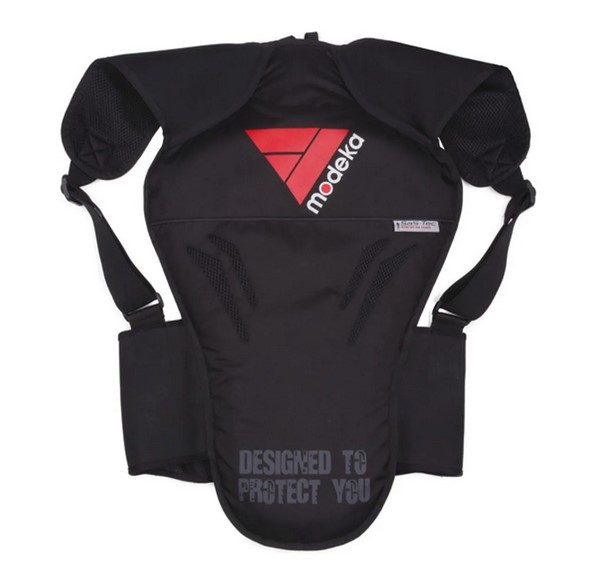
Do I need a back protector for casual trail riding?
Strongly recommended. Spinal injuries are the worst outcome of any motorcycle crash and a CE-certified back protector adds significant protection for a small weight penalty. Even a thin slip-in back insert in a regular jersey is hugely better than nothing — many MX jerseys have a built-in pocket for one.