
Filters
From€441,99
-10%€491,99
Gaerne SG-10 Boots
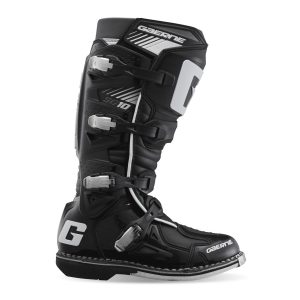
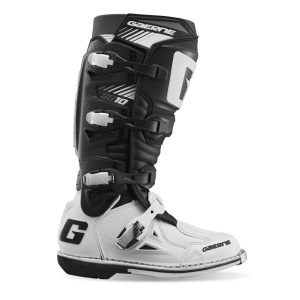
SG-10 boots: - two-composite, non-slip outsole; - plastic shin guard; - impact-absorbing heel protection; - innovative Floating System shock and impact absorbing protection; - special reinforced stitching; -...
0 Reviews2 colors available
€552,99
-5%€582,99
Gaerne SG-12 Boots
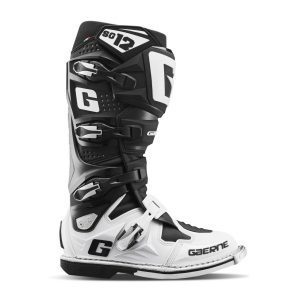
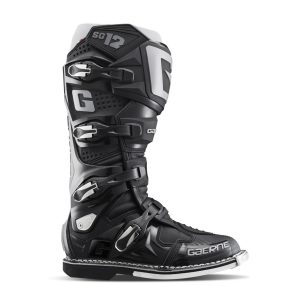
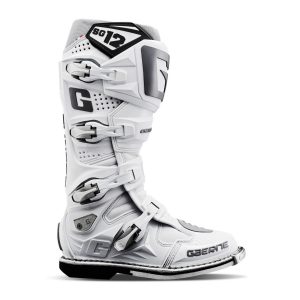
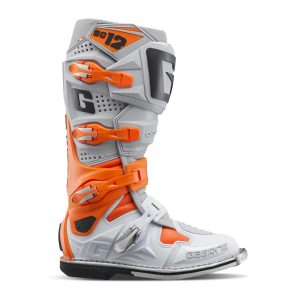
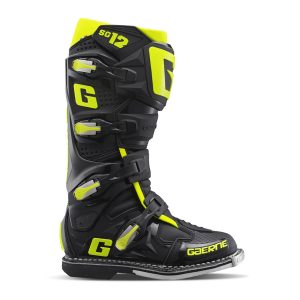
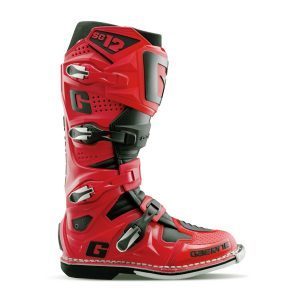
SG.12 boots are a legend in motocross and enduro footwear—an all-time benchmark for every motocross and enduro fan. SG.12 boots: DUAL STAGE PIVOT SYSTEM for lateral support and...
0 Reviews6 colors available
Frequently asked questions about Motocross Protection
What protective gear do I really need to start motocross?
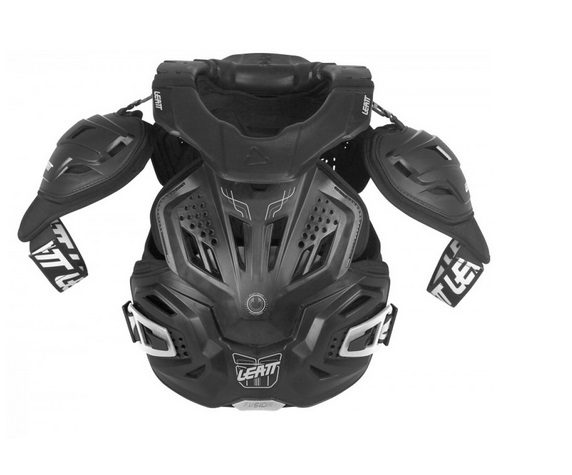
At minimum: a properly-fitting MX helmet, goggles, gloves, boots and a chest protector or roost guard. Once you progress past slow trail riding, add knee braces (not just guards) and a back protector. Body armour, neck brace and elbow guards round out a full kit — every piece in this category is selected to work as part of a complete protective system.
How often should I replace my motocross helmet?
Immediately after any serious impact, regardless of whether the shell looks damaged — the inner EPS foam compresses on impact and will not protect you a second time. Without a crash, most manufacturers recommend replacement every 5 years because the foam and liners degrade from sweat, UV and heat cycles.
Is CE Level 1 body armour enough, or do I need Level 2?
CE Level 1 is the minimum for any serious riding and absorbs a 18 kN impact down to under 18 kN transmitted force. CE Level 2 absorbs roughly the same impact down to under 9 kN — about twice as effective. Level 2 is heavier and stiffer; serious MX racers, anyone hitting big jumps, and riders returning from injury should look for it.
Can I use the same protective gear for motocross and enduro?
You can, but compromises exist. MX-specific helmets and boots are stiffer and more ventilated; enduro versions are slightly more flexible and have softer soles for technical foot-down moments. If you do both, lean toward enduro-spec for the most versatile setup — slightly less peak protection, much better all-day comfort.
What is the difference between knee guards and knee braces?
Knee guards are soft sleeves with a hard cap over the kneecap; they stop roost and minor bumps. Knee braces are rigid hinged units with metal or composite uprights that physically prevent hyperextension and lateral twist — the two most common motion patterns behind ACL and MCL injuries. Anyone hitting jumps or returning from a knee injury should wear braces, not guards.
Do I need youth-specific gear for kids, or can they use small adult sizes?
Always use youth-specific gear. Children's helmets are sized for smaller skull dimensions and use lighter EPS foam tuned for lower-weight impacts. Adult body armour and boots are too rigid and heavy for a child's frame — they restrict movement and the impact-absorbing foam will not compress enough at lower body weights to actually protect.