
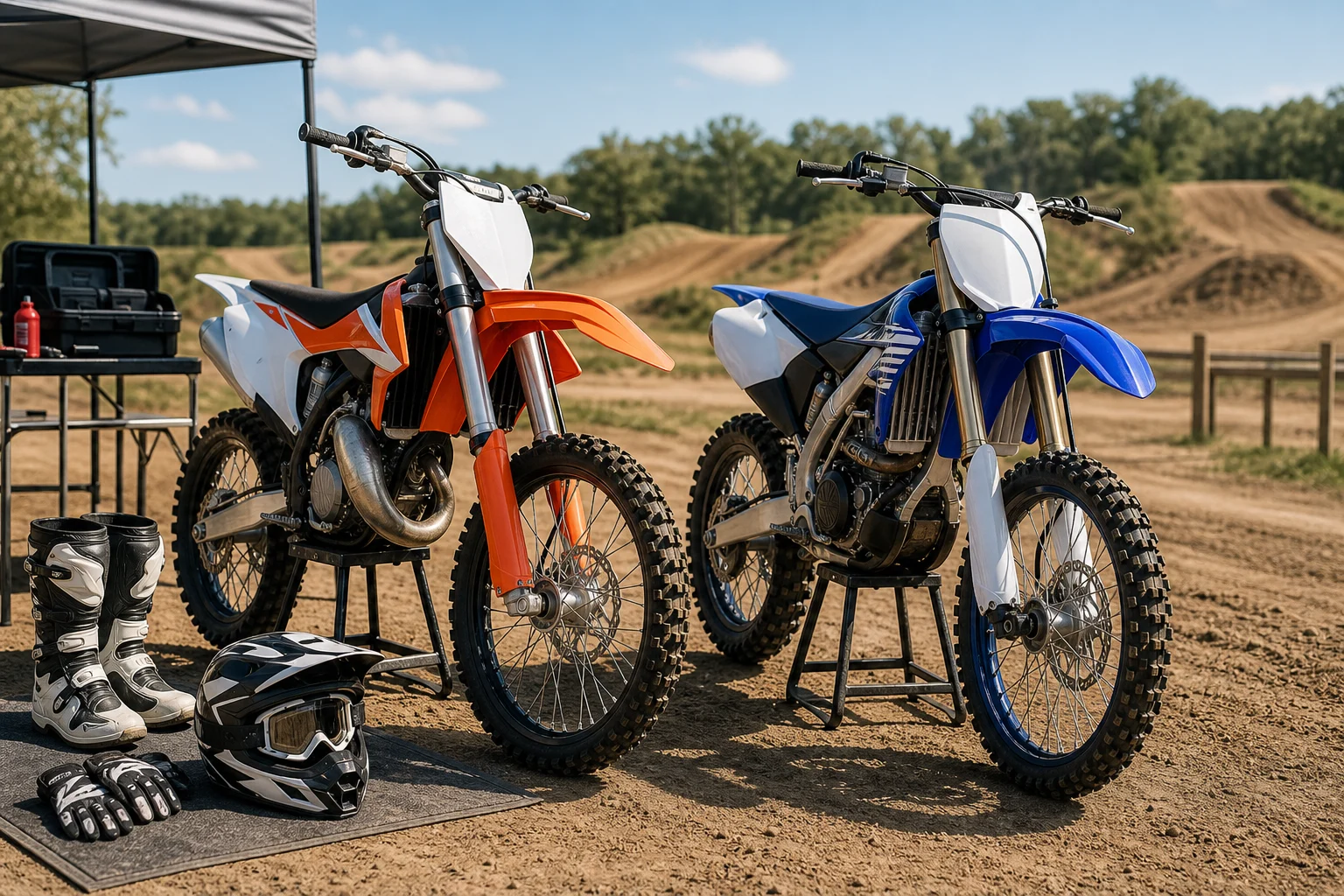
2 stroke vs 4 stroke is one of the first big choices a new dirt bike rider faces. A 2 stroke dirt bike can feel light, lively and simple, while a 4 stroke motocross bike usually feels smoother, more planted and easier to ride consistently. Both can be great, but for a beginner the best choice depends on where you ride, your size, your budget and how quickly you want to build confidence.
This guide explains the real-world difference between 2 stroke and 4 stroke dirt bikes, which one is better for beginner motocross riders, and why motocross gear should become your top priority immediately after buying the bike.
2 Stroke vs 4 Stroke: Quick Beginner Answer #
For most adult beginners, a mild 4 stroke dirt bike is usually easier to learn on because the power delivery is smoother and more predictable. It helps new riders focus on body position, braking, clutch control and lines instead of fighting sudden power. A 2 stroke dirt bike can still be a brilliant choice if you want a lighter bike, ride tighter terrain, value simpler engine design or are choosing a smaller-capacity model.
If you are a complete beginner, avoid choosing only by engine type. A calm 125-250cc 4 stroke trail bike may be easier than a sharp 250cc 2 stroke motocross bike, but a small 125cc 2 stroke can be easier than an aggressive 450cc 4 stroke motocross machine. The exact model matters as much as the engine cycle.
What Is a 2 Stroke Dirt Bike? #
A 2 stroke engine completes its power cycle in two piston strokes. In practical dirt bike terms, that usually means the bike feels light, quick-revving and responsive. Many riders love the direct feel, the sound and the way a 2 stroke can be flicked through corners or technical sections.
The tradeoff is that some 2 stroke motocross bikes have a sharper powerband. When the bike gets into the strong part of the rev range, power can arrive quickly. That is exciting for experienced riders, but it can surprise beginners who are still learning throttle control, clutch timing and traction.
What Is a 4 Stroke Motocross Bike? #
A 4 stroke engine completes its power cycle in four piston strokes. In motocross, 4 stroke bikes are known for broad torque, strong engine braking and a more connected feel through the throttle. They often make it easier to roll on the power without sudden spikes.
That smoother delivery is one reason many beginners feel comfortable on a 4 stroke. It can be easier to ride one gear higher, make fewer clutch corrections and keep the bike settled in corners. The downside is that 4 stroke motocross bikes can feel heavier, and high-performance models can be expensive to maintain if neglected.
For a technical overview of how the two engine designs differ, Cycle Gear has a useful explanation of two-stroke versus four-stroke engines.
2 Stroke vs 4 Stroke Comparison Table #
| Factor | 2 Stroke Dirt Bike | 4 Stroke Motocross Bike |
|---|---|---|
| Power feel | Light, fast-revving, can feel sharper | Smoother torque, easier to control |
| Beginner friendliness | Good in smaller sizes, less forgiving in powerful models | Usually easier for steady learning |
| Weight feel | Often lighter and easier to move around | Often more planted but heavier |
| Maintenance style | Simpler top-end work, frequent attention | More parts and valve-train care, longer intervals when maintained |
| Best for | Riders who want light feel, simplicity and lively response | Riders who want smooth power, traction and predictable control |
Which One Should a Beginner Choose? #
The best beginner choice is usually the bike that lets you practice more and panic less. For many riders, that means a manageable 4 stroke rather than a full-race 2 stroke. Smooth power makes it easier to learn clutch control, corner entry, braking balance and standing body position.
Choose a 4 stroke motocross or trail bike if you want predictable throttle response, easier low-speed control and a calmer learning curve. Choose a 2 stroke dirt bike if you want a lighter machine, plan to ride tighter off-road terrain, enjoy simple mechanical work or are buying a smaller beginner-friendly model.
Here is the practical beginner rule: do not start on the most powerful version of either engine type. A 450cc 4 stroke motocross bike can be too much for a beginner, just like a sharp 250cc 2 stroke can be too demanding. Start with control, not ego.
Think About Where You Will Ride #
Track riding and trail riding reward different habits. On a motocross track, a 4 stroke can help beginners carry momentum and stay smooth through jumps, corners and rough straights. In tight woods or technical terrain, some riders prefer the lighter feel and quick response of a 2 stroke.
If you plan to race, check the rules for the exact class and displacement before buying. The American Motorcyclist Association motocross getting started guide is a helpful place to start for organized riding basics, classes and preparation.
Budget and Maintenance: What Beginners Should Know #
Beginners often hear that 2 strokes are cheaper and 4 strokes are expensive. That can be true, but it is too simple. A used bike with poor maintenance history can become expensive no matter which engine it has. A clean, well-serviced 4 stroke may be a better buy than a neglected 2 stroke, and a simple 2 stroke can be great if it has been looked after properly.
Before buying, check compression, cold starting, smoke, leaks, clutch feel, gearbox shifting, suspension condition, wheel bearings, chain, sprockets and brake wear. If you are new, pay a mechanic or experienced rider to inspect the bike. That small cost can save you from a much bigger mistake.
Motocross Gear Is a Top Priority After Buying a Bike #
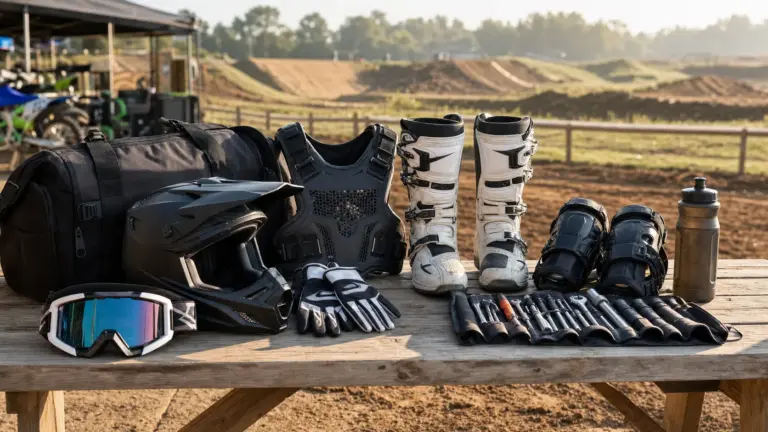
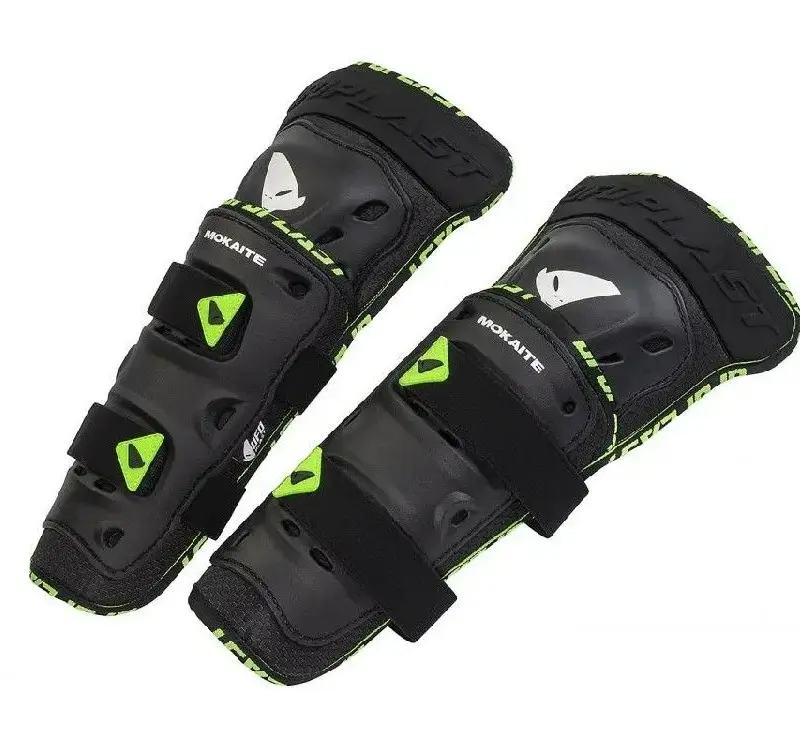
After buying a dirt bike, motocross gear should be your next top priority. Do not spend the whole budget on the bike and leave yourself riding with weak protection. A beginner is more likely to stall, tip over, dab a foot, catch roost, miss a rut or crash at low speed while learning. Proper gear turns those moments into lessons instead of injuries.
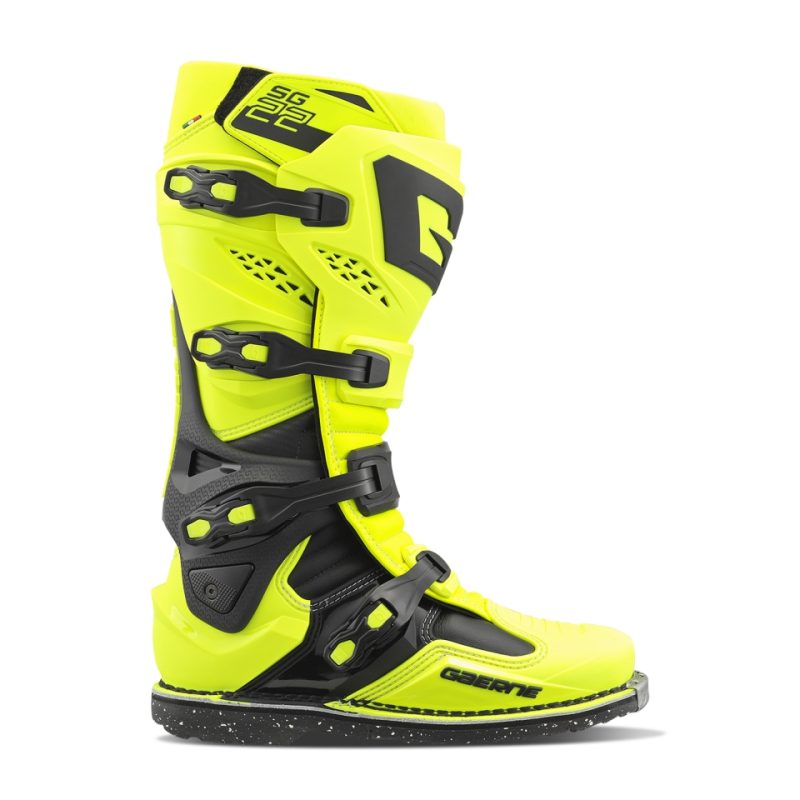
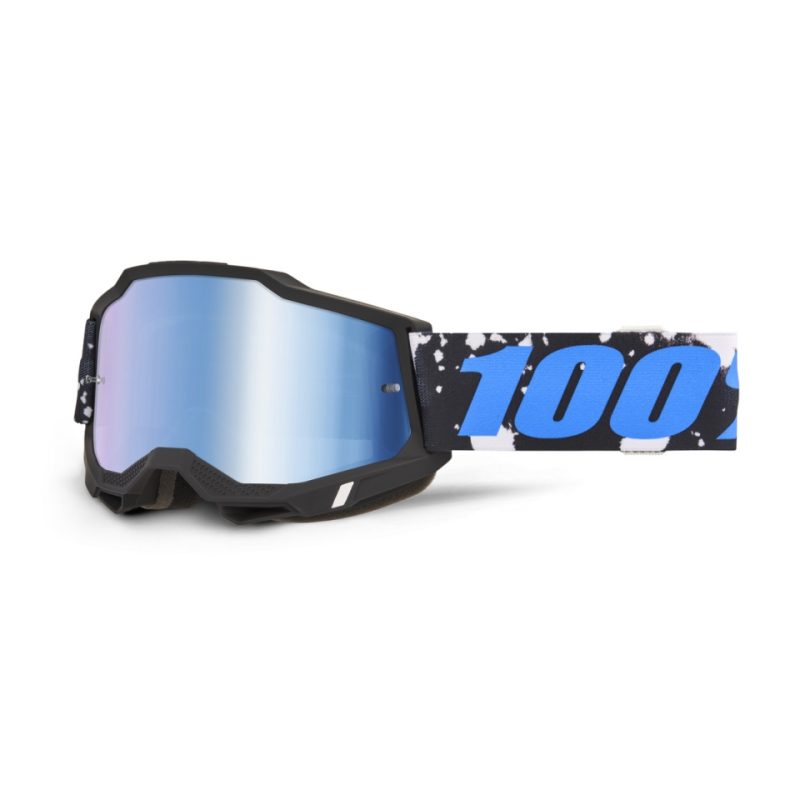
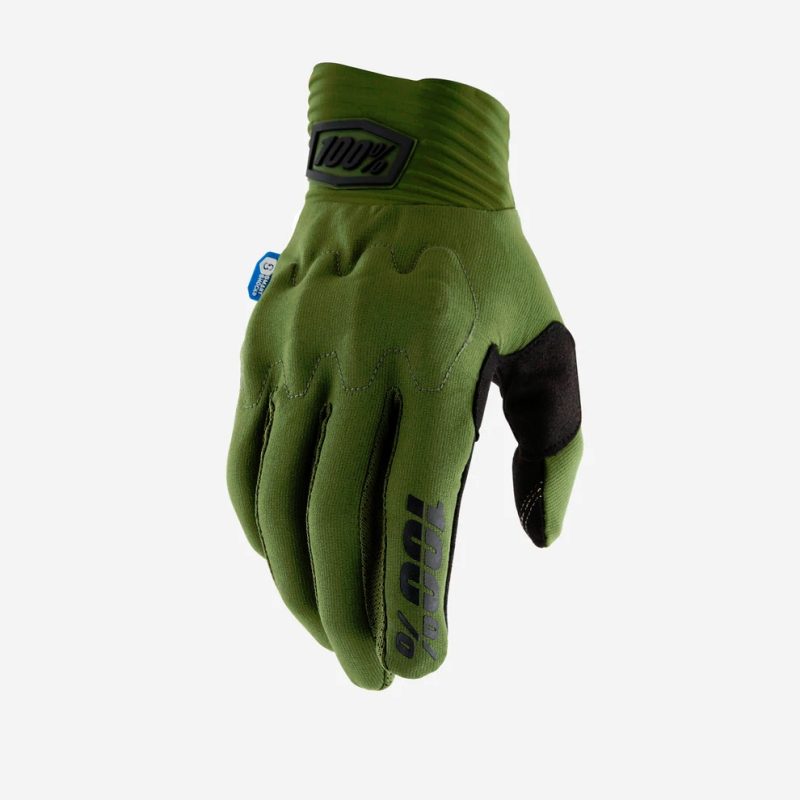
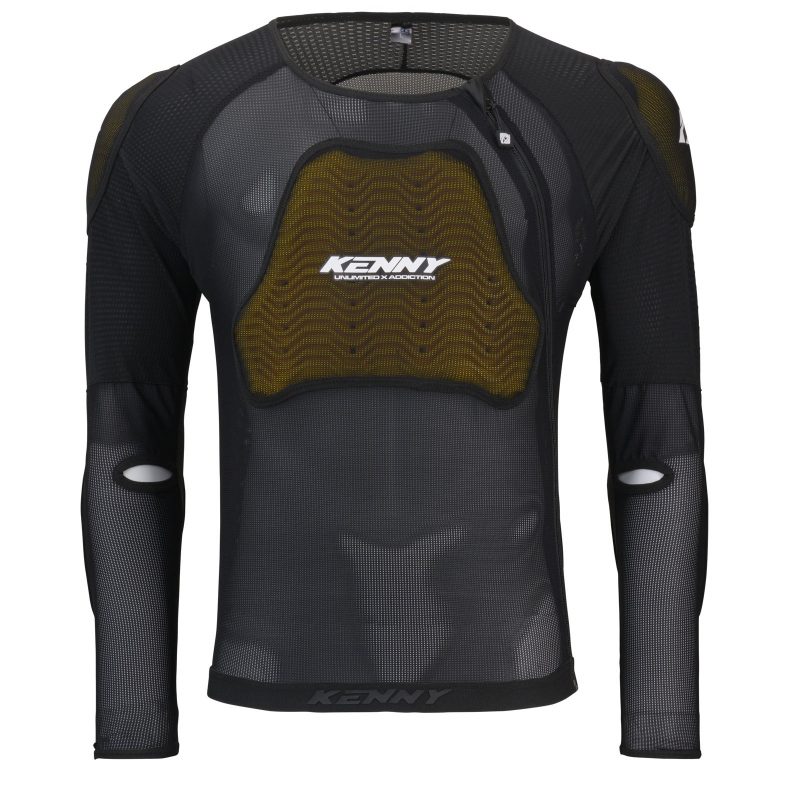
At minimum, build your kit around a quality helmet, goggles, boots, gloves, body protection and knee protection. The MSF DirtBike School tips and practice guide reinforces the importance of protective riding gear and safe practice habits for off-highway riders.
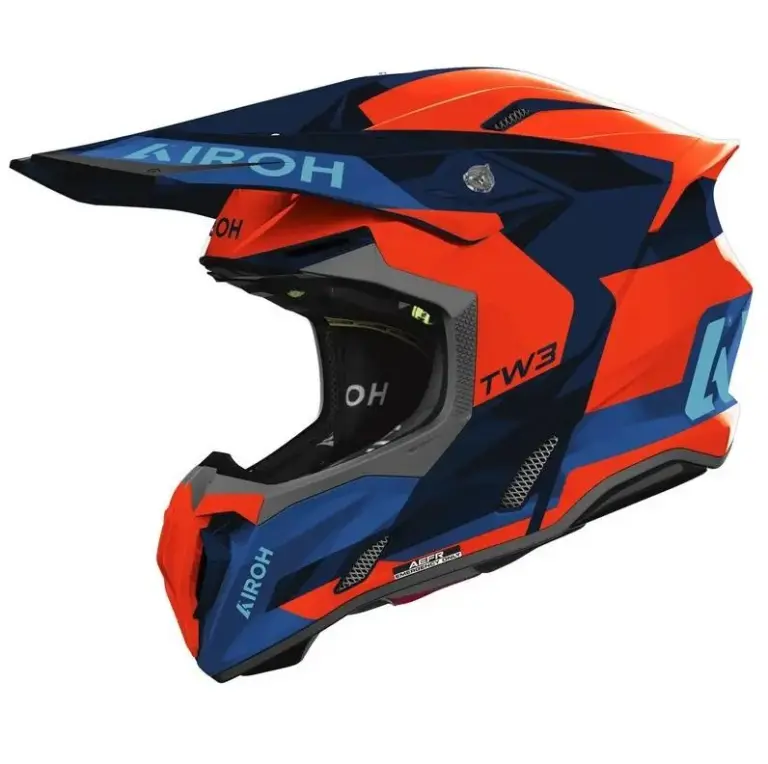
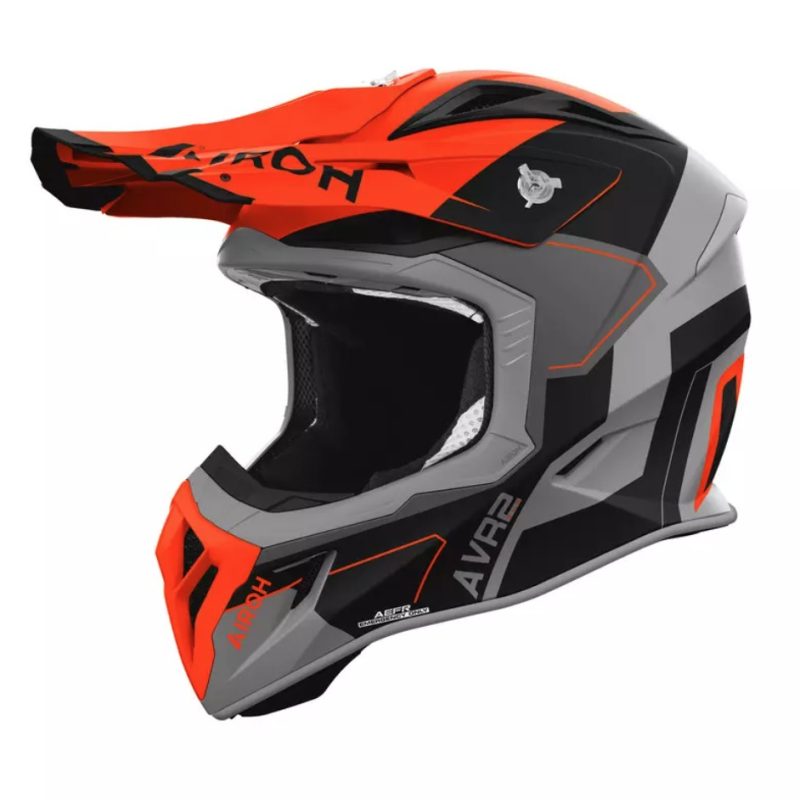
Start with our motocross protection, motocross helmets, motocross boots, motocross goggles and motocross gloves categories before your first serious ride.
Beginner Buying Checklist #
- Choose a bike you can control, not the fastest bike you can afford.
- For most beginners, start with a smoother 4 stroke or a smaller, manageable 2 stroke.
- Avoid jumping straight to a 450cc motocross bike unless you already have solid riding experience.
- Inspect any used bike carefully before buying.
- Reserve money for motocross gear immediately after buying the bike.
Final Verdict: 2 Stroke or 4 Stroke for a Beginner? #
If you want the easiest learning curve, choose a manageable 4 stroke dirt bike or motocross bike with smooth power. If you want a lighter, simpler and more lively machine, a smaller 2 stroke dirt bike can be a great beginner option as long as you respect the throttle and choose the right size.
The real answer to 2 stroke vs 4 stroke is not about which engine is universally better. It is about which bike helps you ride safely, practice more often and build good habits. Buy the bike you can control, then make motocross gear your top priority before the first proper ride.