
Motocross boots are not just heavy shoes for riding. They protect your feet, ankles and lower legs from impacts, twisting, heat and hard contact with the bike. If you ride motocross, enduro or off-road, proper riding boots are one of the smartest upgrades you can make.
Why Motocross Boots Matter #
Off-road riding puts constant stress on your feet and ankles. You dab a foot in corners, land from jumps, catch rocks and branches, and grip the bike through rough sections. Motocross boots are built to handle those forces in a way casual motorcycle boots or work boots cannot.
Ankle Support and Impact Protection #
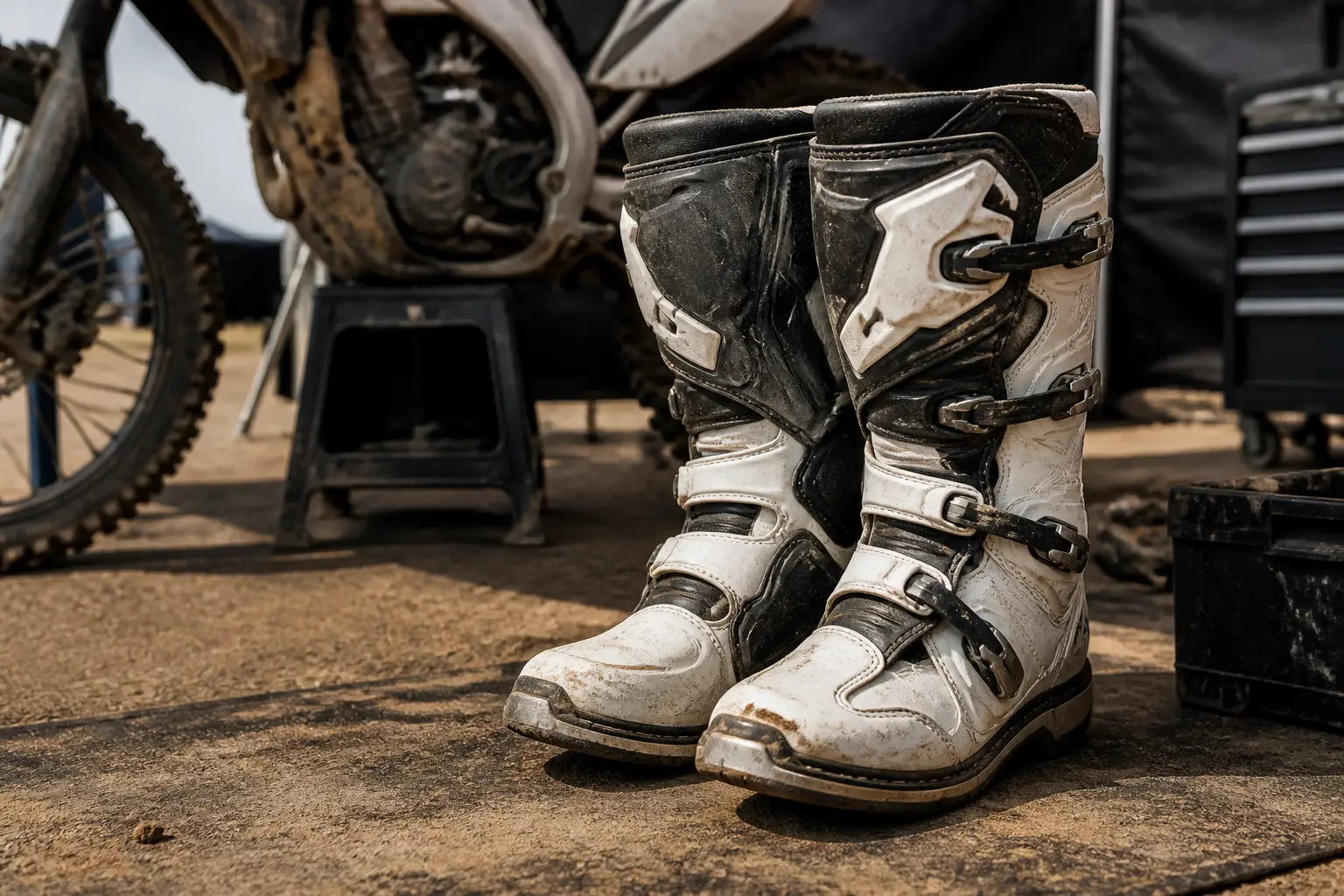
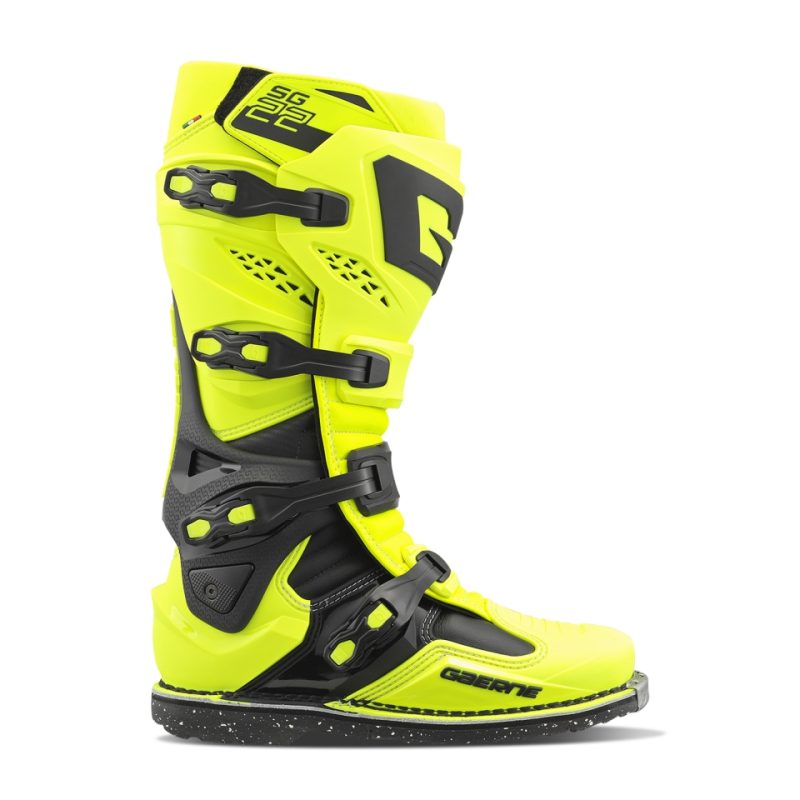
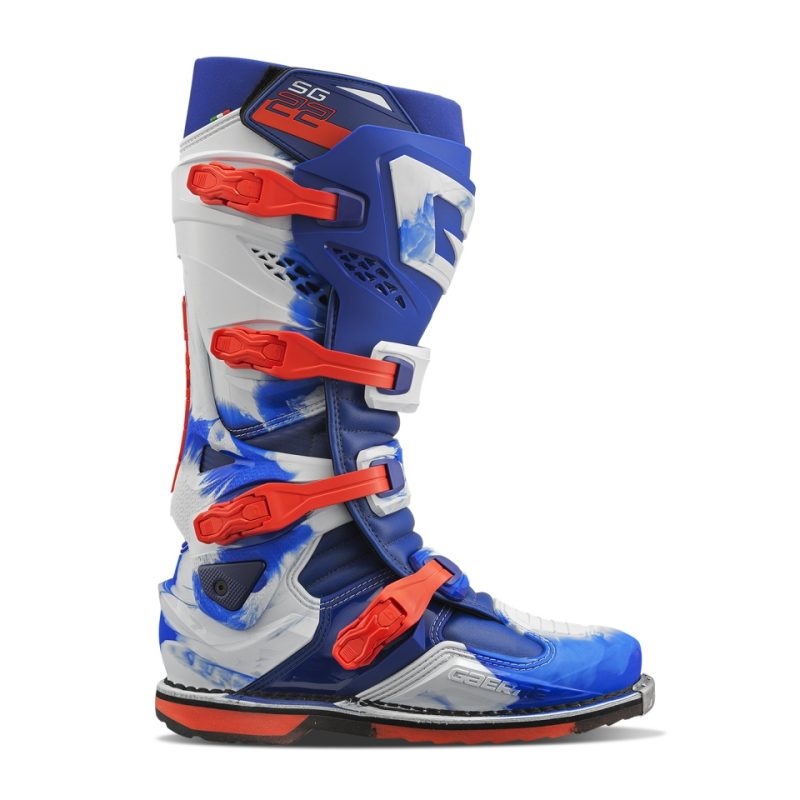
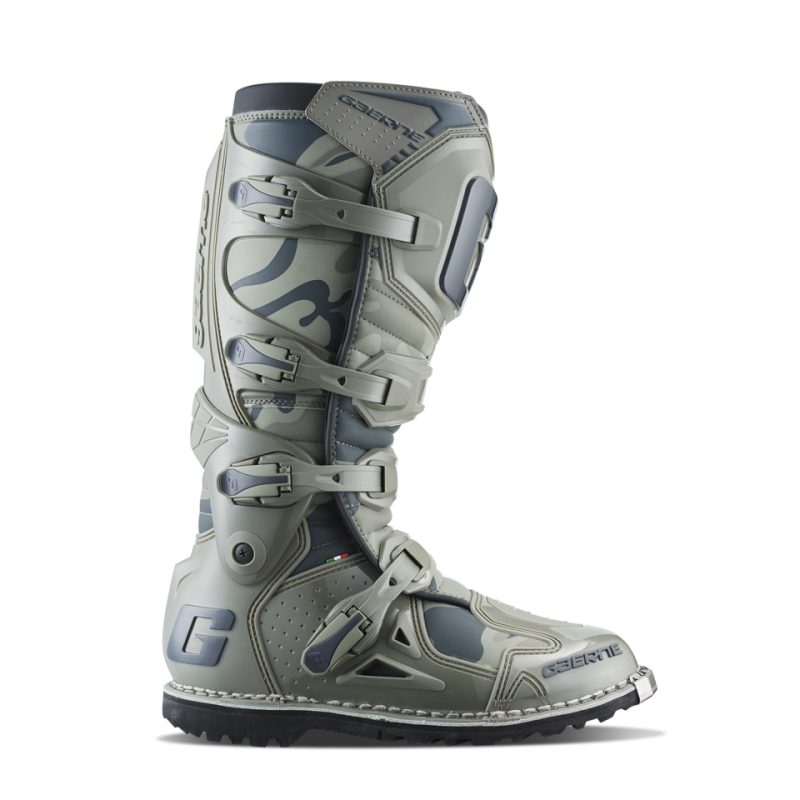
The main reason to wear motocross boots is support. A good boot limits excessive twisting while still allowing enough movement to shift, brake and move on the pegs. Reinforced shin plates, heel cups, toe boxes and buckles help absorb hits from roost, rocks and the bike itself.
Browse our selection of motocross boots.
Sole Grip and Bike Control #
The sole needs to grip the footpegs without feeling awkward on the controls. A quality sole helps you stay planted in rough terrain, transfer weight through the bike and keep better control when standing. If the sole is too soft or too worn, braking and shifting can become less precise.
Buckles, Fit and Break-In #
Boots should close securely without crushing your foot. Adjustable buckles make it easier to fine-tune the fit around socks and knee guards. New motocross boots often feel stiff at first, but they should still let you operate the controls safely after a short break-in period.
Enduro, Motocross and Adventure Differences #
Motocross boots focus on maximum protection and support for aggressive riding. Enduro boots often add more walkability and sole traction for technical terrain. Adventure-style boots may be more comfortable for long-distance riding, but they usually give up some stiffness compared with a dedicated motocross boot.
When to Replace Motocross Boots #
Replace boots when the soles are badly worn, buckles no longer close securely, seams split, or the protective structure feels soft or damaged. Worn boots can reduce control and protection, especially around the ankle.
Final Boots Checklist #
- Strong ankle and shin protection
- Secure, adjustable buckles
- Reliable sole grip on the pegs
- Enough feel for shifting and braking
- Comfortable fit with riding socks and knee protection
Proper motocross boots help protect your lower legs while improving confidence on the bike. Choose boots that match your riding style and keep them maintained for consistent support.
Motocross Boots Fit and Track-Day Checks #
Motocross boots should feel secure around the foot, ankle and lower leg without cutting off circulation. Try them with the same riding socks and knee protection you use on the bike. If the top of the boot fights against your knee guard, adjust the straps or try a different setup before track day.
New motocross boots often feel stiff, but they should still allow you to shift and brake safely. Spend time standing on the bike, working the controls and walking around the garage before the first ride. This helps you understand the boot feel before you are dealing with ruts, jumps and other riders.
The 2026 AMA Racing Rulebook notes boot requirements for racing environments, which is a useful reminder that proper riding boots are safety equipment, not just part of the outfit.
- Check buckles before every ride and replace broken hardware quickly.
- Inspect soles for worn peg contact areas.
- Dry boots fully before storing them in a gear bag.
For extra comfort, wear proper motocross socks and avoid overly thick socks that create pressure points inside the boot. Motocross boots should hold the foot securely, but numb toes, heel lift or sharp ankle pressure are signs that the fit needs adjustment before a full day of riding.